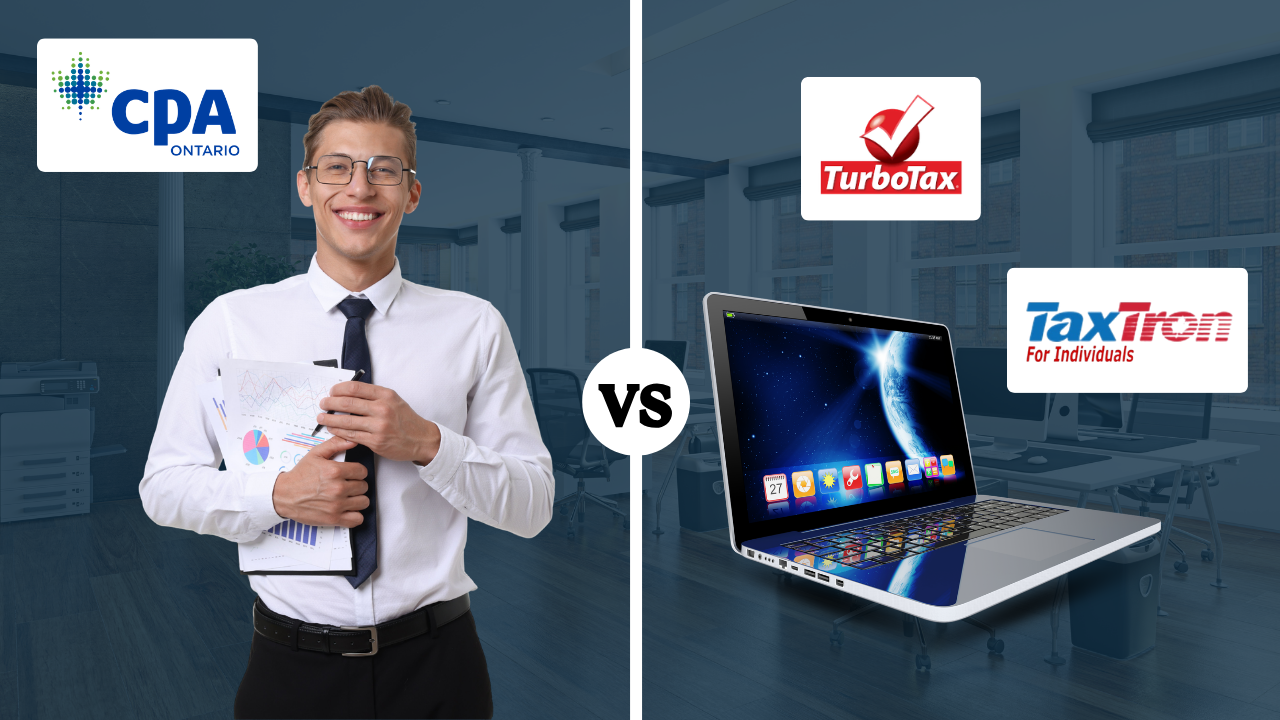
Why a CPA Is Not the Same as Tax Software
Early Tax Planning That Software Can’t Do
Tax software has made filing returns easier than ever. Many Canadians believe using the best tax software is enough to handle their taxes. But filing a return and planning your taxes are two very different things. This is where the difference between tax software vs. CPA becomes critical—especially if you want to save more tax in 2026.
What Tax Software Actually Does
The best tax software is designed to calculate and file taxes based on the information you enter. It follows predefined rules, fills out forms, and submits returns efficiently. However, it does not analyze your future income, flag missed planning opportunities, or advise you on how to reduce tax before it becomes payable.
Where Tax Software Falls Short
Tax software assumes your financial decisions are already made. It cannot advise whether you should incorporate, pay salary or dividends, defer income, or restructure investments. If an error occurs or CRA raises questions, software offers no representation or accountability.
What a CPA Does That Tax Software Cannot
A CPA looks beyond the numbers. Instead of asking what happened, a CPA asks what should be done next. In the tax software vs. CPA comparison, the biggest difference is judgment—interpreting tax law based on your specific situation and planning ahead to minimize tax legally.
Tax Software vs. CPA: The Real Difference
Tax software focuses on compliance. A CPA focuses on strategy. Software reacts after the year ends, while a CPA plans before income is earned. One files returns; the other builds a roadmap to reduce tax exposure year after year.
Why Early Tax Planning Matters
Early tax planning—starting in January, not April—creates opportunities software cannot identify. Income timing, instalment planning, RRSP strategies, and business structuring decisions must be made before the tax year closes. Once the year ends, most savings opportunities disappear.
When the Best Tax Software Is Not Enough
Even the best tax software struggles when finances become complex. Business owners, real estate investors, high-income earners, consultants, and individuals with foreign income often face situations where incorrect structuring leads to higher taxes or CRA scrutiny.
How a CPA Uses Tax Software
CPAs do use advanced tax software—but as a tool, not a solution. The software handles calculations, while the CPA provides insight, planning, and accountability. The difference in outcomes comes from expertise, not technology.
Cost Comparison: Software vs. CPA
Tax software may seem cheaper upfront, but missed deductions, poor structuring, and penalties often cost far more. A CPA’s value lies in long-term savings, audit protection, and year-round guidance—not just filing a return.
Who Should Choose a CPA Over Tax Software
If you earn more than one type of income, own a business, invest in property, or want to plan proactively for 2026, working with a CPA is not an expense—it’s a financial decision.
Software Files. CPAs Plan.
The debate isn’t about tax software vs. CPA—it’s about outcomes. Software helps you file. A CPA helps you plan, protect, and grow. If you want real tax savings in 2026, the smartest move is planning early with professional guidance.
Thinking Beyond Tax Software? Start Planning Early.
Book a tax planning consultation with a CPA and take control of your 2026 tax strategy—before it’s too late.